Family grown in Greece · Hand picked · Cold extracted · Nature first

Two estates. One philosophy.

Good olive oil
begins with
good earth.

Family-grown Greek extra virgin olive oil. Hand-picked olives, cold extraction, and a deep respect for the living landscape—from ancient Epidaurus to the mountains of Crete.

Family grown
Hand picked
No pesticides used
Cold extracted
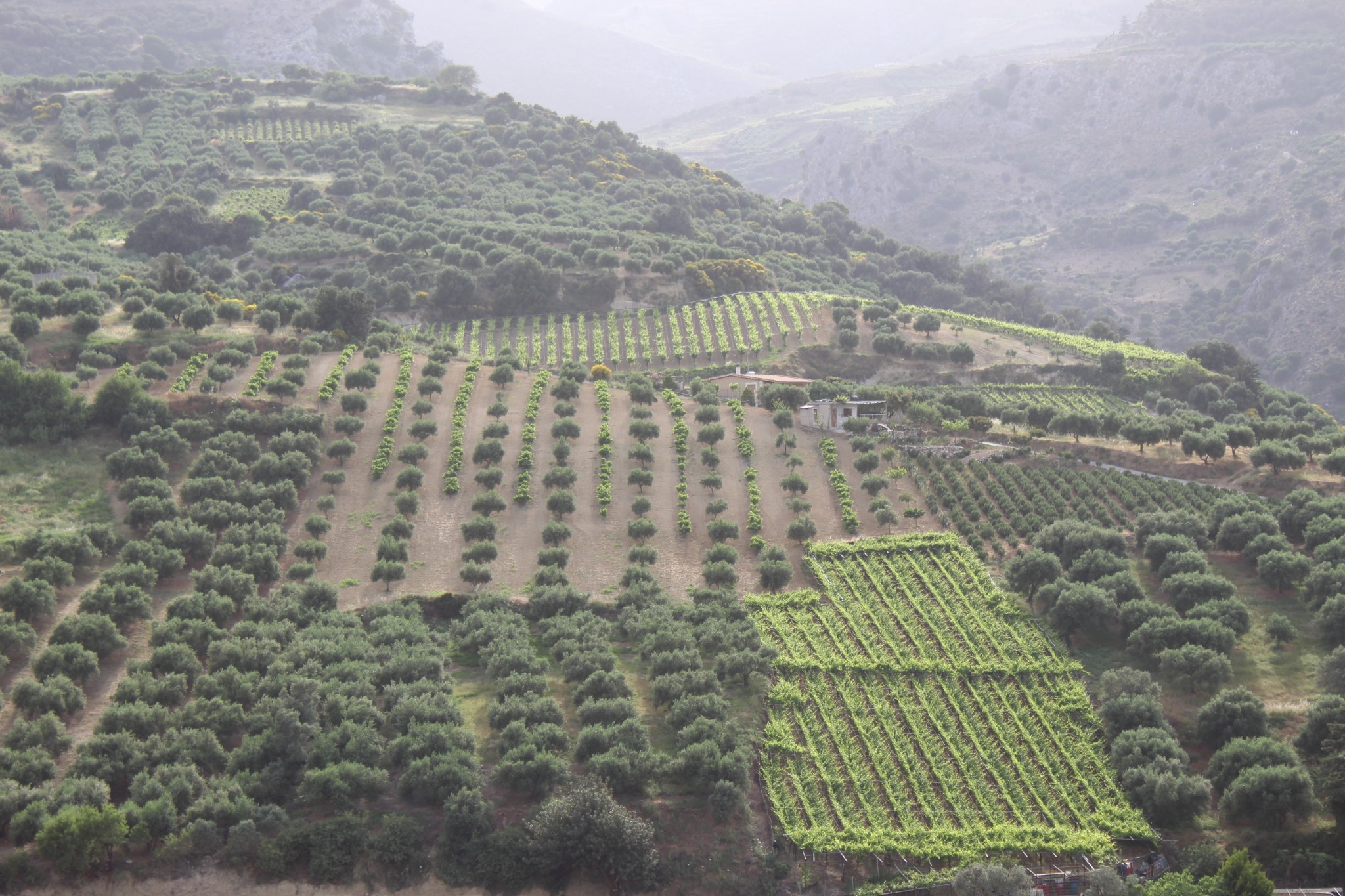
Olive groves growing across the rocky, sloping Mediterranean landscape

The Iris Farm story

A little less interference.
A lot more nature.

We are Alexandra and Panagiotis. Alexandra comes from Crete, and Panagiotis from Epidaurus. Today we are one family, bringing together the olive groves, traditions and landscapes of the two places we call home.

We believe exceptional olive oil starts long before the harvest. It starts with how the land is treated: with patience, attention, and room for nature to thrive. Our family groves bring together generations of olive trees—from young trees to venerable ones estimated to be 300–400 years old.

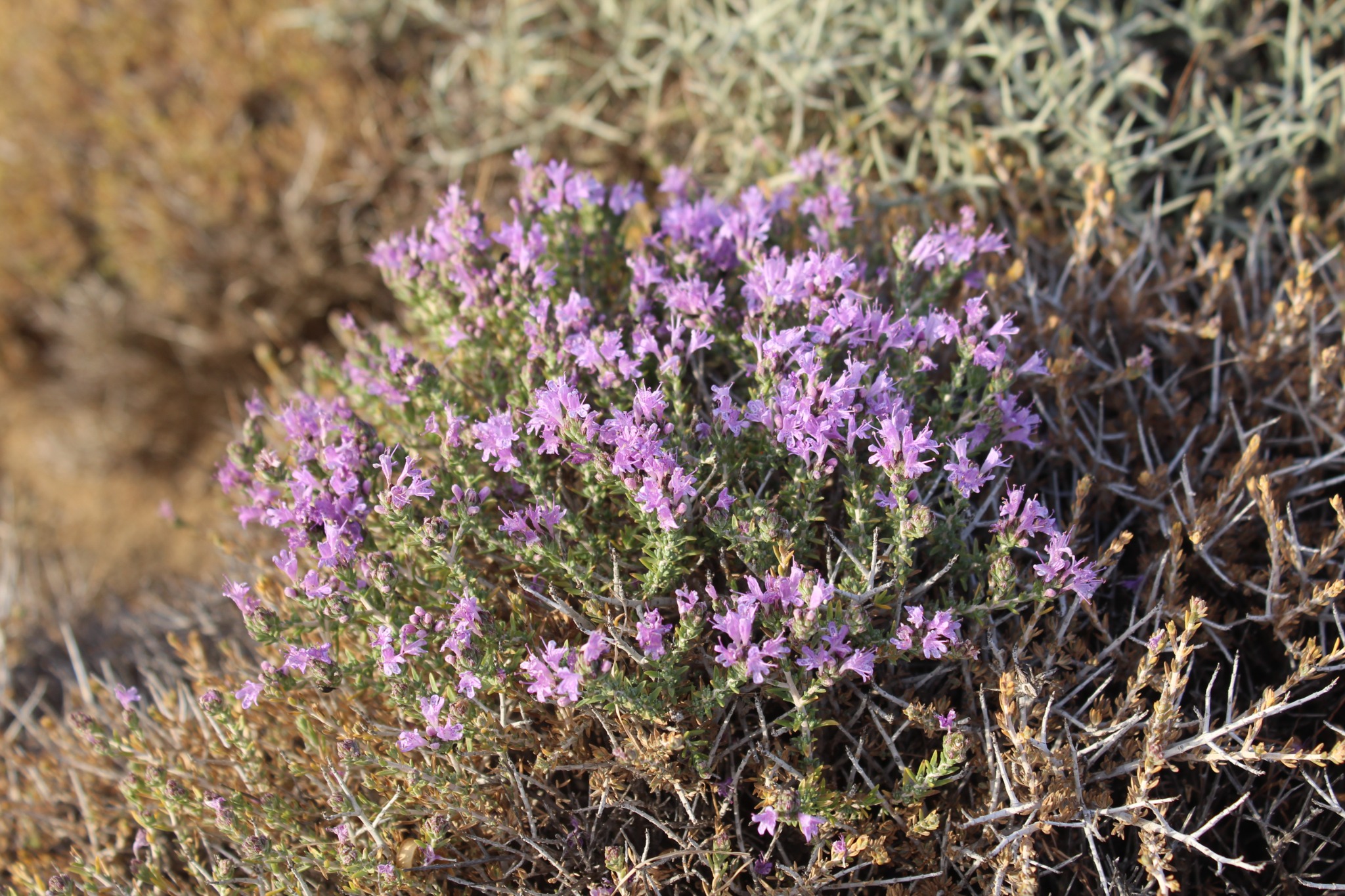
In our family groves, olive trees share their earth with flowers, sage, oregano, thyme, and the many small plants that belong there. We do not spray our olive trees or use pesticides; we respect the soil and the vegetation beneath the trees rather than treating it as something to remove.

We hand-pick olives at peak ripeness and cold-extract them within hours, carefully preserving their characteristic aromas, nutrients and polyphenols.

What matters to us ↗

Our olive oils

Two expressions of Greece, like our family.

One shared commitment to honest cultivation and careful production. Discover the distinct character of our Manaki and Koroneiki extra virgin olive oils.

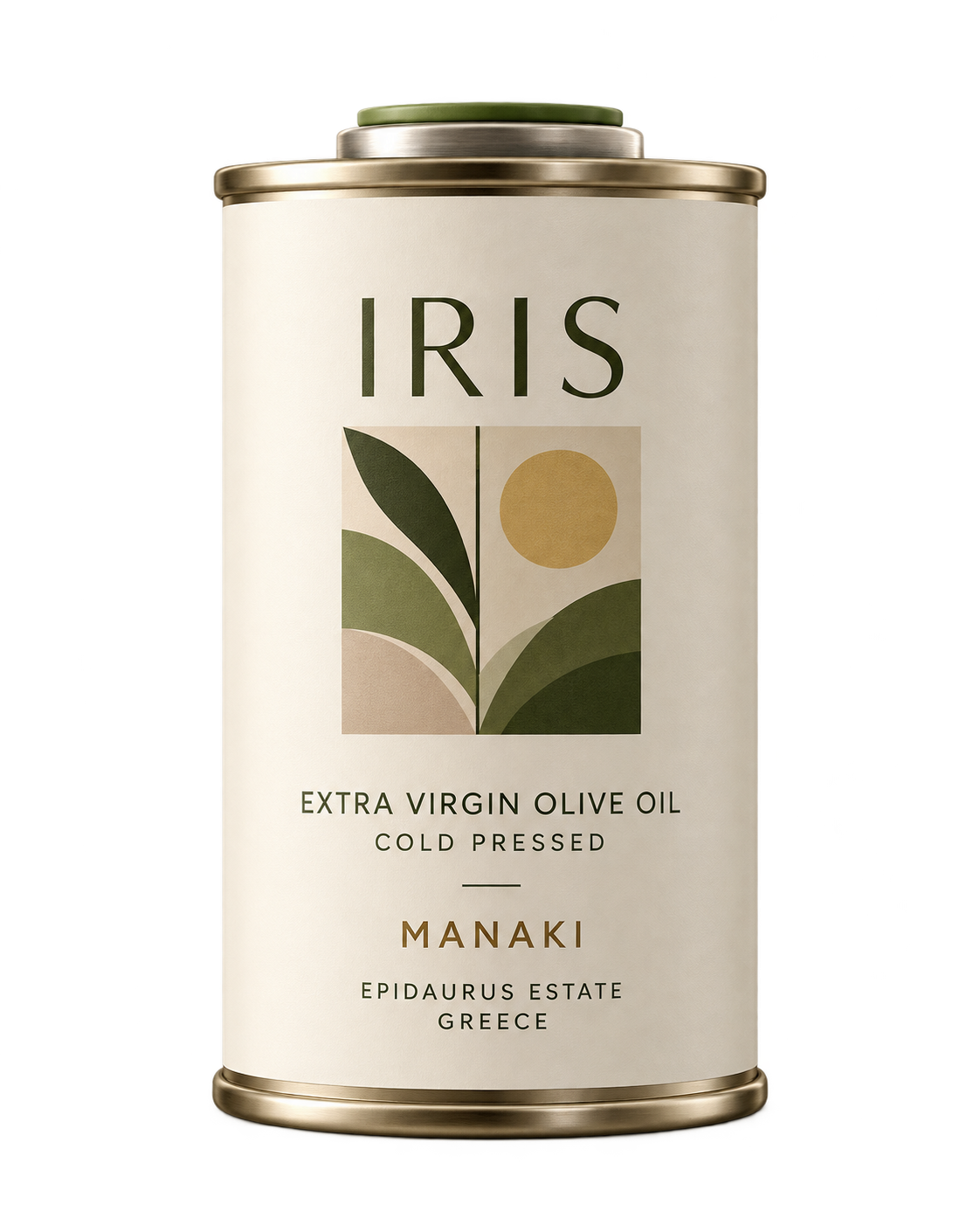
IRIS FARM Manaki extra virgin olive oil tin
Epidaurus · Peloponnese

Manaki

Soft, elegant and beautifully balanced. The Manaki variety is often appreciated for its gentle fruitiness, rounded mouthfeel and notes of ripe olive, almond and delicate herbs.

On the palate: smooth and rounded, usually with mild-to-moderate bitterness and a gentle peppery finish. At the table: warm bread, fish, fresh cheeses, vegetables and salads.

Gentle fruitinessSoft almondRounded finish
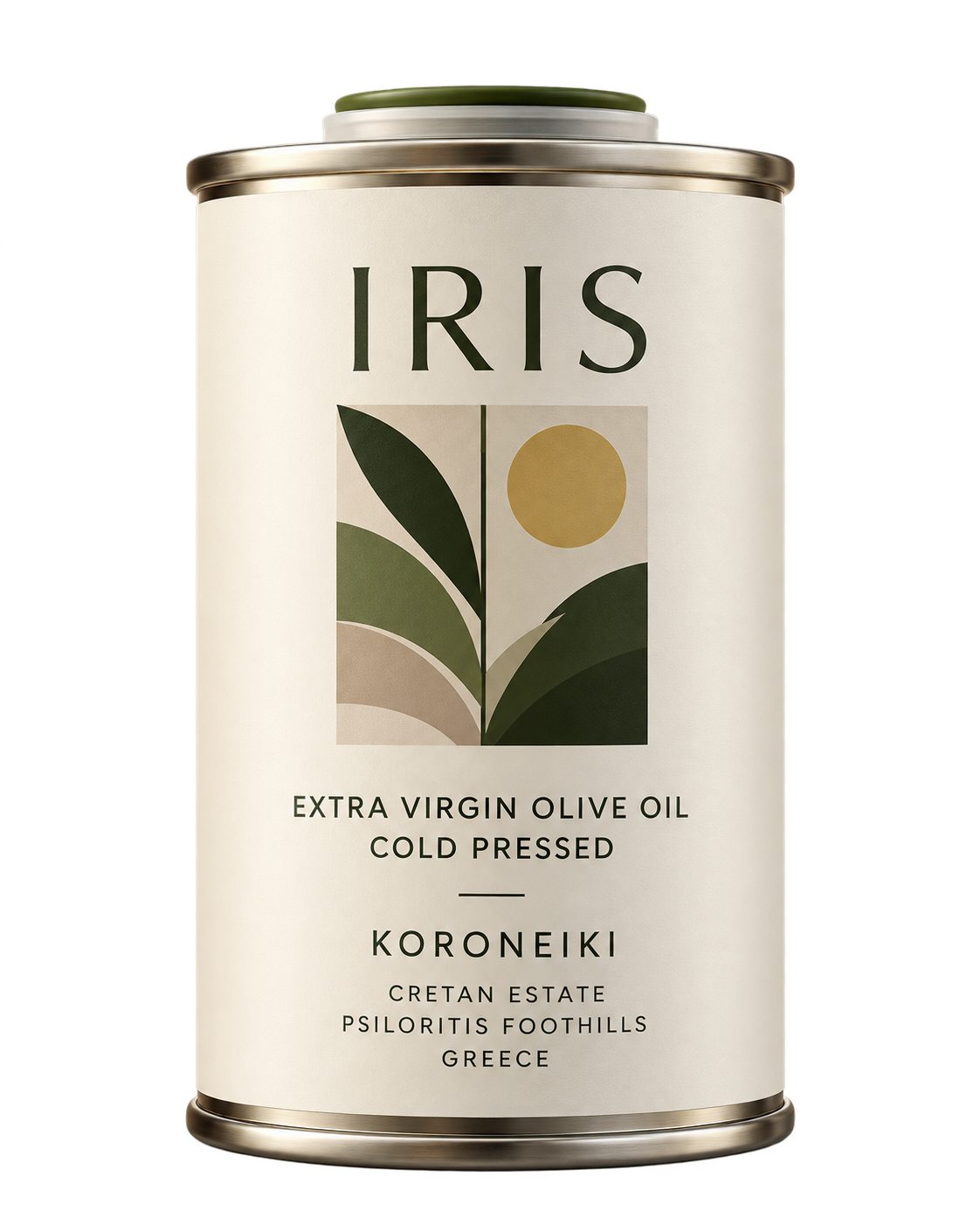
IRIS FARM Koroneiki extra virgin olive oil tin
Psiloritis foothills · Crete · 500–550 m

Koroneiki

Vibrant, green and expressive. Koroneiki is known for its grassy, herbaceous aromatics, lively bitterness and distinct peppery finish, with possible hints of artichoke and green almond.

On the palate: vibrant green fruitiness, assertive but pleasant bitterness and a lingering peppery sensation. At the table: warm bread, tomatoes, legumes, grilled vegetables and rustic cooking.

Fresh green herbsGreen almondPeppery finish

Tasting notes describe typical characteristics of the varieties. The profile of each harvest may vary with ripeness, weather and extraction conditions.

Estate 01 · Peloponnese

Ancient Epidaurus.

Our Manaki olives grow in Epidaurus, a landscape steeped in history and known as the land of Asclepius, the ancient Greek god of medicine and healing. Here, a living Mediterranean ecosystem surrounds our family's trees.

Steep, rocky ground makes working among our trees demanding. Its natural drainage is one of the qualities we value in growing olives, alongside the climate, the variety and the care of each harvest.

The terroir

Elevation
80–100 m · Northeast-facing
Soil
Rocky, inclined, freely draining
Climate
Hot, dry summers with warm nights; Mediterranean winters; strong coastal influence from the nearby Aegean
Water
Occasional irrigation
Location
37.618879, 23.152080
Explore the estate location ↗

Estate 02 · Crete

Beneath Psiloritis.

Our Koroneiki grove lies on the slopes at the foot of Mount Psiloritis, at approximately 500–550 metres above sea level. Mountain air, Cretan sunshine and a distinctive highland landscape shape this second expression of our olive oil.

Steep, rocky ground makes working among our trees demanding. Its natural drainage is one of the qualities we value in growing olives, alongside the climate, the variety and the care of each harvest.

The terroir

Elevation
500–550 m · Northeast-facing
Soil
Thin, rocky and well-drained
Climate
Hot, dry summers with cooler nights; colder winters; Aegean northerly winds with milder coastal influence
Water
No irrigation
Location
35.299582, 24.849670
Explore the estate location ↗

Grown in small numbers

Limited by nature.
Defined by place.

Depending on the season, our family estates can typically support approximately 100–200 bottles from Epidaurus and a similar number from Crete. Weather, rainfall and the trees themselves determine each year's yield.

That small scale allows us to care closely for trees both young and centuries old—some estimated at 300–400 years—and preserve a direct connection between every bottle, our rocky soils, and the flowers and aromatic herbs that grow among the olives.

Find your harvest share ↗
100–200Approximate bottles in a typical Epidaurus season
100–200Approximate bottles in a typical Cretan season
300–400Estimated age in years of some of our oldest olive trees
OneDirect family connection to each harvest, with nature setting the limits

Our philosophy

Grow with the land,
not against it.

Nature isn't the backdrop to our farming. It is part of how we farm.

Our rocky, inclined terrain demands patience and makes cultivation and hand-harvesting more challenging. Yet its freely draining soils help avoid prolonged waterlogging, while the distinctive conditions of each estate contribute to the character of our olives. We believe this demanding ground is part of the story behind the concentrated, expressive aromas we seek in our oil.

Picked by hand

We harvest with care, choosing a gentler, more attentive approach to the olives and the trees that produce them.

No pesticides

We do not use pesticides or spray our olive trees. Our approach values the natural life, balance and biodiversity of the land.

Living soil

Wildflowers, oregano, thyme and sage are welcome beneath and around our trees. We respect the plants that protect and enliven the soil.

Cold extraction

Hand-picked at peak ripeness and cold-extracted within hours to help preserve aroma, natural nutrients and polyphenols, reflecting the fruit and its origin.

Wild thyme flowering in the natural vegetation of our olive groves

A little of our land, in every Club parcel.

Discover the Harvest Club ↗

Every club package includes three small compostable recycled-paper bags of oregano, sage and thyme from our groves. These herbs grow among our olive trees; they are part of the living landscape we look after and a fragrant way to share it with you.

A gift for Harvest Club members, not a separate purchase.

How to taste our olive oil

Good bread.
Great olive oil.

Sometimes the simplest tasting is the best. All you need is a piece of fresh bread—slightly warm, if possible—and a little of the new harvest.

Taste our Manaki and Koroneiki side by side and see which one speaks to you.

Explore our olive oils ↗

Start with warm bread

Break off a piece of fresh, preferably warm, crusty bread. Keep it simple: no butter or strong toppings.

Pour, dip, enjoy

Drizzle a little extra virgin olive oil over the bread or dip the bread directly into a small dish of oil.

Notice the difference

Try Manaki's softer, rounded character, then Koroneiki's greener, more peppery finish. A second bite is often all the explanation you need.

A note from our family

“We want our olive oil to taste of more than olives. We want it to carry the care, herbs, sunshine and living soil of the place where it was grown.”

With care, the Iris Farm family

Our harvest · Direct from the family

Find your place
at our table.

We pick according to the weather, press the olives within hours of harvesting, and send your oil directly after pressing in November–December.

Every club package includes three small compostable recycled-paper bags of oregano, sage and thyme from our groves.

Choose your oilManaki from Epidaurus, Koroneiki from Crete, or both.
Hear from our familyWe confirm harvest availability, packaging, price and delivery details personally.
Enjoy a taste of placeEach Harvest Club box includes three compostable recycled-paper herb bags—oregano, sage and thyme from our family groves.
Discover the Harvest ClubFollow the season, register your annual interest and keep your place in the harvest conversation. Explore the club →